No, no it was not all that bad, the passing year, however as we are going towards the end of it, I would like to talk about the custom of year-end parties in Japan, which are the so called BOUNENKAI (忘年会・ぼうねんかい). It is yet another and last occasion of the year for the festive people of Japan to throw their parties. The country has a vibrant festival culture, but unlike many seasonal events, bounenkai has no religious connotation or specific event protocol what so ever. Nonetheless, it can be said that it still carries a not unimportant social relevance and therefore is not to be missed out.
More mysteries to be revealed, Åsa made it again! – ‘Nordic Girl Åsa discovers the Mysteries of Japan 2’. The cover of the second cover comes in similar fashion.
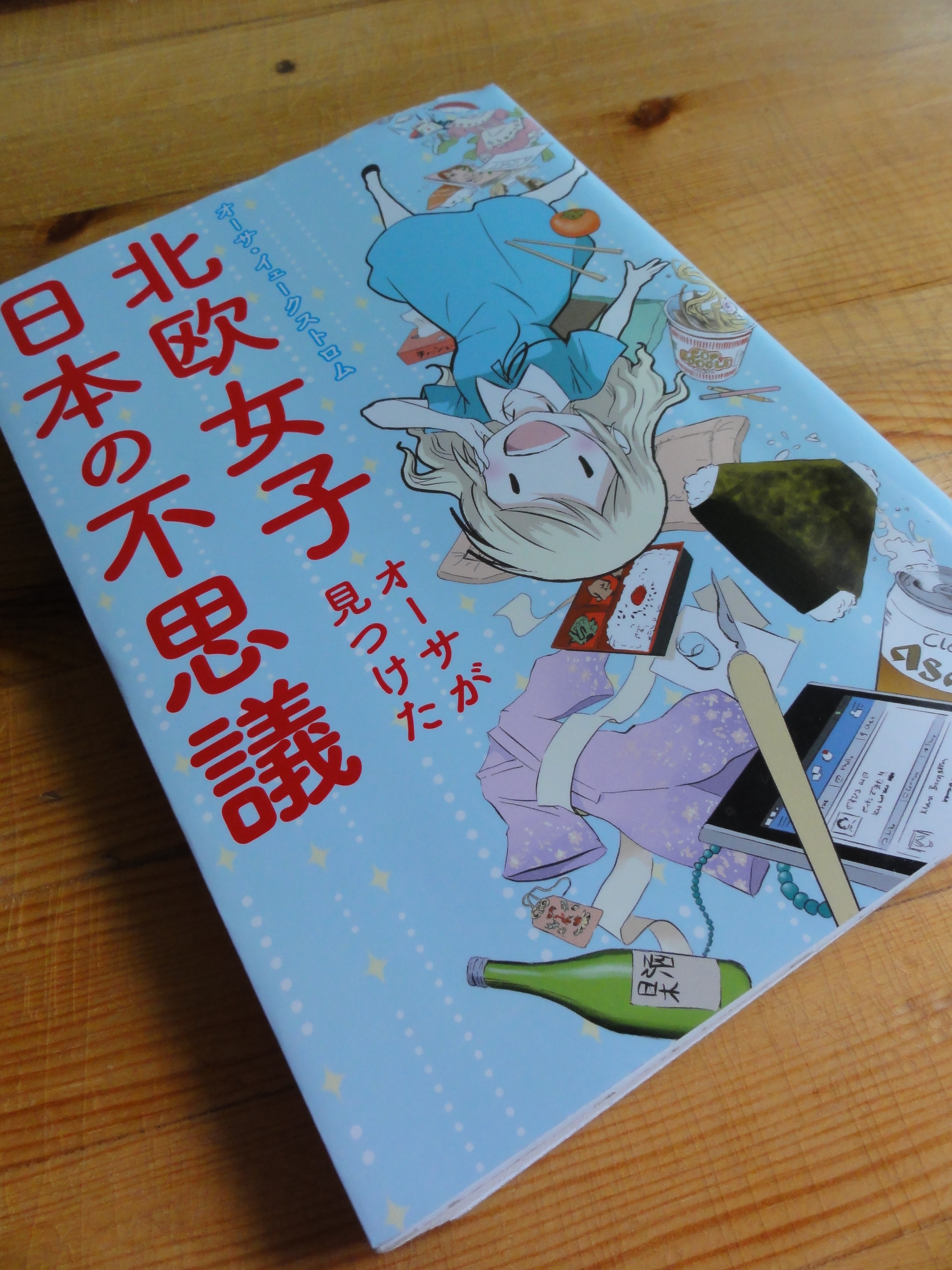
I am happy to announce the second in my series of book introductions for COMIC ESSAYS (see also FUN WITH COMIC ESSAYS side page). After enjoying the first volume of Nordic Girl Åsa discovers the Mysteries of Japan・北欧女子オーサが見つけた日本の不思議 (see post) quite a bit, I got myself also the sequel, which was published back in September. Whereas I was about 6 months behind the release for the first book, for the second volume I have miraculously managed to post slightly more opportune. Then I shall get started right away with the latest book introduction of mine, with which I hope to tempt you in reading the book yourself. Continue reading →
Dozens of dried persimmon in front of houses are not an uncommon sight during the autumn months in Japan.
Whenever I think I make a quick post about a topic, somehow I always end up with a full-fledged study in some way…well I shouldn’t mind, I guess, because it brings back some many cherished memories (i.e. the CAMPHOR TREE・楠). This post about the dried persimmons, sets me right back into Japan during this month of year.
October days are most pleasant with skies clear, the air refreshingly cool, leaves fiery red or bright yellow. Ideal for hikes in the countryside or leisurely walks in quite neighborhoods of the cities and towns. The autumn season has much to offer for the eye, but also comes up with many delectable amenities, of which the dried persimmon is one of them. With producing techniques nowadays in place, the nutritious treat could technically be made available all year round. However, only during the autumn months one will notice the fruits on strings hanging from below the eaves of resident housings and in front of windows on balconies of apartment buildings. So this practice of drying persimmon outdoors in the sunlight is distinctly associated to this time of year, therefore considered an aspect of FUUBUTSUSHI(風物詩・ふうぶつし; things reminiscent to seasons), in other words the emotional awareness by Japanese people for certain seasonal characteristics, apart from such things as natural phenomenons, living things or sense of taste. Continue reading →
This is my first book introduction ever, or perhaps I shall say Manga introduction 🤗 It is an independent one, I just read the book, thinking to myself, this is something I want to share with other readers interested in Japan and learners of the Japanese language.
The book goes under the genre comic essays and comes in the FOUR PANEL COMIC-STRIP format (also 四コマ; Yon koma). It was published in March 2015 and somehow picked it up from the shelves some months back to keep my Japanese going, while no longer in the country. While there are no kanji readings (furigana or ruby characters) provided, the stories are not too hard to follow. I suppose that everyone with a JLPT 2 level will read through fairly smoothly.
I had to pull out the dictionary a couple times, but it didn’t hinder me from reading it all the way … やる気さえあれば (if only one has the motivation to do so). Even though there is no version other than Japanese (not yet), I think it is probably the most fun to read it in the one language because certain references and nuances of contents just come across best. Continue reading →
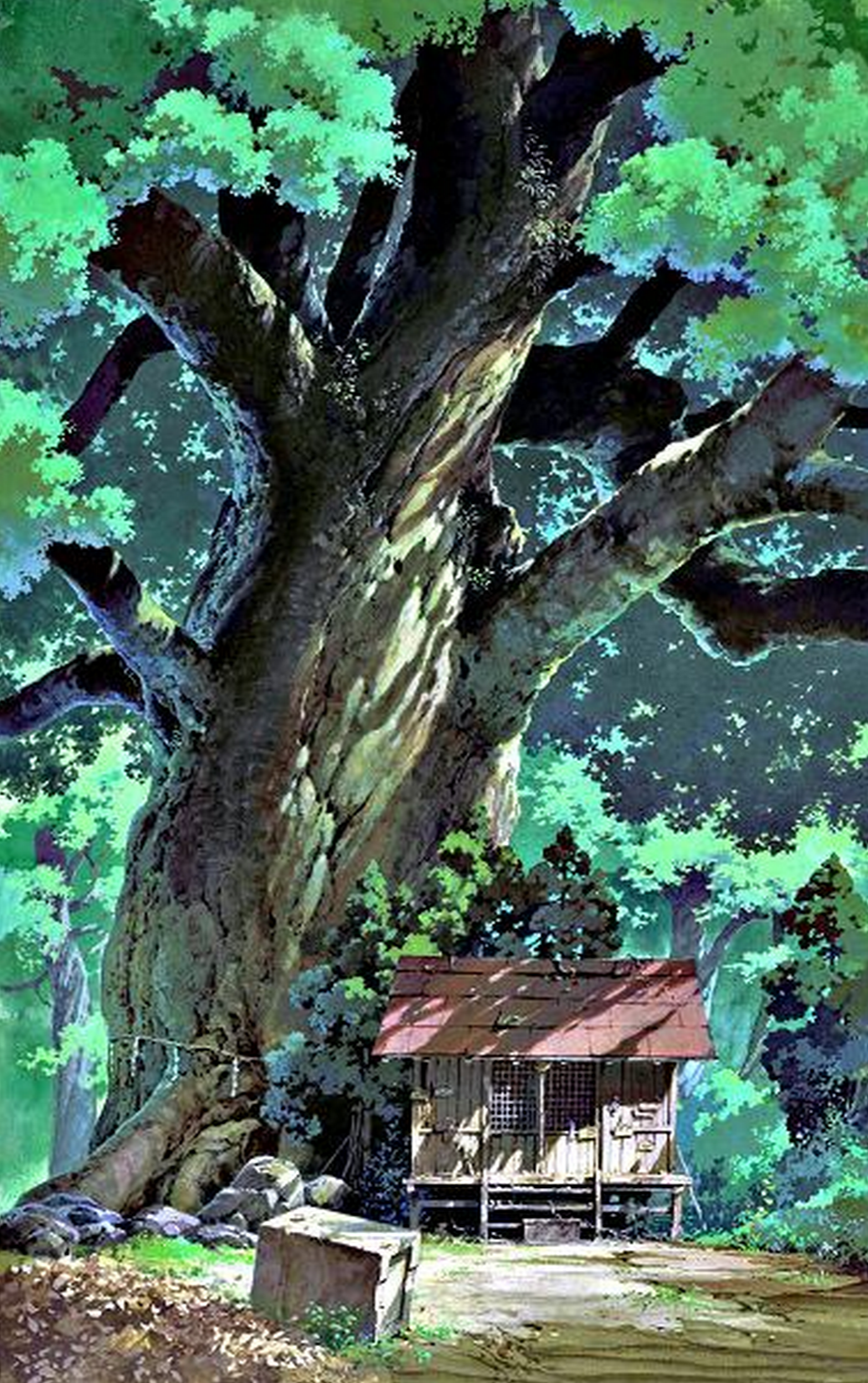
If visiting Japan during May, the air will be filled with an aromatic smell that emanates from the camphor. Even within the cities one may notice the scent as these evergreen trees with brilliant foliage are often found in parks, on playgrounds or as shading trees along the streets. Continue reading →
When drawing your dictionary 見送り (みおくり; miokuri) has various meanings, however, the one referring in this article is solely about sending someone off, farewell somebody.
お(御; O), as seen in the title, is a honorific prefix, adding loftiness and beauty (as part of 美化語・雅語; びかご・がご) to the expression, like ‘honorable farewell’.
Today, receiving a purchased second-hand book with a rather unusual feature on the outer wrapping (see pic). Japan is really a book country, new items are adored, but also used books are treated with great care and respect. It something that impresses over and over again.








 MyLittle Dejima